
Project Pulse
Project Pulse is the public dashboard for how NextClaw keeps evolving as an AI operating layer.
It combines engineering movement and product signals into one page: code volume trend, commit rhythm, release cadence, recent product notes, and current automated screenshots.
If your goal is to start using NextClaw rather than study project status first, start here instead:
Project Pulse
A public view into how NextClaw keeps shipping.
This page turns engineering movement into a product signal: how the codebase grows, how often we ship, what we are improving, and what the product looks like right now.
Not a metrics wall. A product pulse for a unified AI operating layer.
Rhythm
Updated 2026-10-09Production LOC trend
A running signal of implementation scope, not a quality score by itself.
322,285
Latest
322,285LOC
Recent production source snapshot window+67vs previous snapshot+138.7KSince start322.3KPeak
Test LOC trend
A separate signal for verification investment so tests do not inflate production scope.
138,723
Latest
138,723LOC
Recent test source snapshot window+142vs previous snapshot+79.4KSince start138.7KPeak
Commit rhythm
Switch between daily and weekly views to read short-term execution and broader delivery cadence.
1
Latest
1commits
30-day daily commit rhythm+1vs previous day+1Since start1Peak
Monthly release rhythm
Release batches grouped by tag days instead of raw tag count.
0
Latest
0batches
12-month release rhythm0vs previous month0Since start0Peak
Current Shape
sourceTop scopes by code volume
Where the current implementation footprint is concentrated.
Benchmark snapshot
We compare production source LOC against OpenClaw to keep complexity visible.
9.23%
NextClaw is 9.23% of openclaw production source LOC.
90.77% lighter by production source LOC.
Recent release batches
Latest tag days and how many packages moved together.
Product Timeline
76 notesRecent product notes
Public milestones that matter to users, not just internal diffs.
2026-10-092026-10-09 · NextClaw v0.59.1
Preserve execution evidence and complete recent tool rounds across long tasks.
2026-10-072026-10-07 · NextClaw v0.59.0Persistent session pins, a dedicated Scheduled view, and smaller conversation journals.
2026-10-022026-10-02 · NextClaw v0.59.0-beta.2Persistent session pins and a dedicated view for scheduled conversations.
2026-09-272026-09-27 · NextClaw v0.57.3Keep the composer steady when sending messages, with draft protection and failure recovery preserved.
2026-09-262026-09-26 · NextClaw v0.57.2Fix chat messages failing to send over plain HTTP.
2026-09-162026-09-16 · NextClaw v0.57.0Start from an update, an idea or a concrete action, then keep long-term work connected.
2026-09-142026-09-14 · NextClaw v0.55.0Better self-awareness and a smoother conversation experience for continuous work.
2026-09-132026-09-13 · NextClaw v0.54.0Continue local agent work from GitHub and Linear issues.
2026-09-112026-09-11 · NextClaw v0.53.0Open conversations, files, and apps in one workbench, continue unfinished work after controlled restarts, and get a more reliable mobile and runtime experience.
2026-09-102026-09-10 · NextClaw v0.51.0Hand approved user feedback to any local handler with one background command, then write the result back to the original report.
2026-09-092026-09-09 · NextClaw v0.49.1Render LaTeX formulas directly in chat without temporary errors flashing during generation.
2026-09-092026-09-09 · NextClaw v0.49.0Start with your voice, manage models from the CLI, and load large sessions with more reliable tool history.
2026-09-042026-09-04 · NextClaw v0.48.3Faster startup, more accurate silent replies, and simpler, more reliable project data and controls.
2026-09-022026-09-02 · NextClaw v0.48.1Fixes Windows Desktop upgrades to v0.48.0 that could prevent sessions from loading and messages from sending.
2026-09-012026-09-01 · NextClaw v0.48.0Projects can now track work, artifacts, and AI progress over time, with desktop session reliability restored.
2026-08-302026-08-30 · NextClaw v0.47.0Portable Service Apps now have a complete capability, background-work, AI, and cross-platform verification loop.
2026-08-302026-08-30 · NextClaw v0.45.5Fix production activity receipts being classified as development traffic.
2026-08-292026-08-29 · NextClaw v0.45.4Load the Island theme background earlier and reuse it across refreshes.
2026-08-292026-08-29 · NextClaw v0.45.3Fix Agent runs stopping unexpectedly after 20 tool calls on upgraded installations.
2026-08-292026-08-29 · NextClaw v0.45.2Fix Linux compatibility, first-install self-repair, and runner failure handling for Portable Service Apps.
2026-08-292026-08-29 · NextClaw v0.45.1Fix missing or non-executable Portable Service App runners on Linux, Windows, and macOS.
2026-08-282026-08-28 · NextClaw v0.45.0Build a Service App in Rust once and run it through NextClaw on macOS, Windows, and Linux.
2026-08-272026-08-27 · NextClaw v0.44.1Manage scheduled tasks, inspect model calls and token usage, and keep your reading position.
2026-08-262026-08-26 · NextClaw v0.44.0Faster Markdown navigation, clearer session context, and more reliable mid-run steering.
2026-08-252026-08-25 · NextClaw v0.43.0Every AI run is traceable, with more reliable steering, child sessions, and long-chat queueing.
2026-08-242026-08-24 · NextClaw v0.42.3Long-session compaction recovers from truncated summaries, with continuous attention, session reliability, and Desktop startup fixes.
2026-08-222026-08-22 · NextClaw v0.42.2Fixes built-in Service App requests on Windows Desktop, including installed and portable editions.
2026-08-212026-08-21 · NextClaw v0.42.1Fixes built-in desktop Service Apps when no system Node.js is installed and keeps failed requests machine-readable.
2026-08-212026-08-21 · NextClaw v0.42.0Refines sidebar pinned apps, app compatibility messaging, and publishes precompressed UI assets for faster static delivery after updates.
2026-08-202026-08-20 · NextClaw v0.41.0Adds opt-in, privacy-minimized product activity reporting and makes bundled Desktop apps reliable without a system Node installation.
2026-08-202026-08-20 · NextClaw v0.40.1Panel App main-sidebar management is now consistent across the list, running view, and pinned entry, with direct removal from the left sidebar.
2026-08-202026-08-20 · NextClaw v0.40.0Tool-heavy sessions reopen up to about 6× faster, Panel Apps can live in the main sidebar, QQ delivery is more resilient, and runtime failures are traceable.
2026-08-182026-08-18 · NextClaw v0.39.2NextClaw v0.39.2 fixes Marketplace Panel Apps failing to reopen after being pinned to the right sidebar.
2026-08-182026-08-18 · NextClaw v0.39.1NextClaw v0.39.1 fixes native Service Apps losing execute permission after installation on Linux.
2026-08-182026-08-18 · NextClaw v0.39.0NextClaw v0.39.0 adds platform-aware publishing and installation for native Apps, with clear compatibility labels in the Marketplace.
2026-08-152026-08-15 · NextClaw v0.37.0NextClaw v0.37.0 makes active sessions easier to understand while improving continuous input, network recovery, and embedded browser controls.
2026-08-142026-08-14 · NextClaw v0.36.2NextClaw v0.36.2 hardens App data isolation and deletion recovery while keeping catalogs lightweight and management ownership clear.
2026-08-142026-08-14 · NextClaw v0.36.1NextClaw v0.36.1 keeps the UI, agents, and CLI on the same runtime after an update.
2026-08-142026-08-14 · NextClaw v0.36.0NextClaw v0.36.0 completes the app-data lifecycle with visible storage, data-preserving uninstall, recovery, and explicit permanent deletion.
2026-08-142026-08-14 · NextClaw v0.35.0NextClaw v0.35.0 adds isolated app-instance storage, candidate probing, and truthful permission labels so installs, updates, and uninstalls are dependable over time.
2026-08-132026-08-13 · NextClaw v0.33.2NextClaw v0.33.2 fixes app update errors and turns Personal Space todos and calendar into practical everyday Mini Apps.
2026-08-132026-08-13 · NextClaw v0.33.1NextClaw v0.33.1 fixes Linux in-app updates that did not restart the service and left the running version unchanged.
2026-08-132026-08-13 · NextClaw v0.33.0NextClaw v0.33.0 scales app discovery and turns installs, updates, rollbacks, and uninstalls into background operations you can leave behind.
2026-08-122026-08-12 · NextClaw v0.32.0NextClaw v0.32.0 introduces installable, manageable Mini Apps and the first Personal Space bundle with Todos, Markdown Notes, Favorites, and Calendar.
2026-08-112026-08-11 · NextClaw v0.31.0NextClaw v0.31.0 adds a project Explorer that stays beside file previews, plus stronger message recovery, selection controls, and startup guards.
2026-08-102026-08-10 · NextClaw v0.30.0NextClaw v0.30.0 starts unused messaging channels on demand to reduce idle memory, while adding conversation excerpt references, richer media previews, and better model discovery.
2026-08-082026-08-08 · NextClaw v0.29.0NextClaw v0.29.0 keeps long tasks moving with automatic context compaction, message continuation, workspace file references, and provider model discovery.
2026-08-072026-08-07 · NextClaw v0.28.2NextClaw v0.28.2 completes fresh-install onboarding with packaged workspace templates and accurate zero-key guidance.
2026-08-072026-08-07 · NextClaw v0.28.1NextClaw v0.28.1 lets fresh installations start chatting without an API key and improves chat input, sidebar navigation, and message rendering.
2026-08-062026-08-06 · NextClaw v0.28.0NextClaw v0.28.0 brings background results back to you through completion notifications and a persistent inbox for important reports.
2026-07-292026-07-29 · NextClaw v0.27.7NextClaw v0.27.7 adds registered project references in chat and improves Codex continuity, default execution access, and Marketplace uninstall safety.
2026-07-292026-07-29 · NextClaw v0.27.6NextClaw v0.27.6 gives Agent Runtimes more useful NextClaw context, improves rich content, and keeps queued messages clear.
2026-07-282026-07-28 · NextClaw v0.27.5NextClaw v0.27.5 improves per-runtime model selection in new chats, manual context compaction feedback, and message continuity.
2026-07-232026-07-23 · NextClaw v0.27.4NextClaw v0.27.4 fixes streaming scroll escape and improves mobile app access and targeted file previews.
2026-07-232026-07-23 · NextClaw v0.27.3NextClaw v0.27.3 makes Remote disconnects traceable and retries temporary connector outages automatically.
2026-07-232026-07-23 · NextClaw v0.27.2NextClaw v0.27.2 improves queued messages, skill previews, long-chat scrolling, and Remote reconnects.
2026-07-222026-07-22 · NextClaw v0.27.1NextClaw v0.27.1 fixes chat views being pulled back to the bottom during streaming replies.
2026-07-212026-07-21 · NextClaw v0.27.0NextClaw v0.27.0 adds stable Remote instances with two domains, manual context compaction, and smoother project and session workflows.
2026-07-202026-07-20 · NextClaw v0.26.1NextClaw v0.26.1 refines chat runtime details, the mobile composer, and scheduled task templates.
2026-07-182026-07-18 · NextClaw v0.26.0NextClaw v0.26.0 improves long conversations, scheduled tasks, runtime details, mobile actions, and adds a built-in Agent Browser.
2026-07-172026-07-17 · NextClaw v0.25.3NextClaw v0.25.3 keeps built-in skills available after runtime updates.
2026-07-172026-07-17 · NextClaw v0.25.2NextClaw v0.25.2 lets long-running npm installations discover updates on schedule while keeping download and apply actions explicit.
2026-07-172026-07-17 · NextClaw v0.25.1NextClaw v0.25.1 fixes runtime update prompts, release-note entry points, chat reference menus, and visual result guidance.
2026-07-172026-07-17 · NextClaw v0.25.0NextClaw v0.25.0 improves chat rendering, file and directory references, desktop update checks, and Marketplace skills.
2026-07-162026-07-16 · NextClaw v0.24.0NextClaw v0.24.0 adds independent projects, project file references, and smoother runtime updates.
2026-07-152026-07-15 · NextClaw v0.23.0NextClaw v0.23.0 improves Agent output rendering, project skill context, workspace tabs, and local resource previews.
2026-07-142026-07-14 · NextClaw v0.22.4NextClaw v0.22.4 improves the chat workspace, default message layout, file previews, and public product assets.
2026-07-132026-07-13 · NextClaw v0.22.3NextClaw v0.22.3 improves chat attachment previews, tool activity display, Claude/Codex runtime model compatibility, and marketplace detail recovery.
2026-07-122026-07-12 · NextClaw v0.22.2NextClaw v0.22.2 improves the default theme, chat controls, workspace previews, docs routing, and model stream reliability.
2026-07-062026-07-06 · NextClaw v0.22.1NextClaw v0.22.1 improves Agent settings, session continuity, cancellation state, file previews, and update notes.
2026-07-052026-07-05 · NextClaw v0.22.0NextClaw v0.22.0 adds queued chat input, richer content previews, image reading, Night theme, and stability fixes.
2026-05-062026-05-06 · Auto Updates and Long-Context AwarenessNextClaw now supports auto updates, context window usage, and automatic long-session compaction so daily use feels easier and long tasks stay more continuous.
2026-04-262026-04-26 · NextClaw Feels Better on MobileNextClaw recently shipped a mobile experience update. Once deployed, opening NextClaw from a mobile browser now shows a cleaner chat, session, and input experience for small screens.
2026-04-032026-04-03 · Sessions Now Actually Stay Project-AwareNew sessions can bind a project before the first message, project skills now load per session, the project badge is actionable, and this ships in one unified npm patch release.
2026-03-312026-03-31 · Cron Is Clearer Now, and One-Shot Jobs Finally Feel One-ShotCron now lists disabled jobs by default, separates disable from remove, and improves one-shot scheduling plus AI prompting clarity.
2026-03-112026-03-11 · Bocha Search Integration + Runtime AlignmentBocha search integration, configurable search providers, UI activation controls, and runtime package alignment.
Current Screens
Latest screenshot refresh 2026-10-09Automated screenshot gallery
These images are refreshed through our existing screenshot automation.
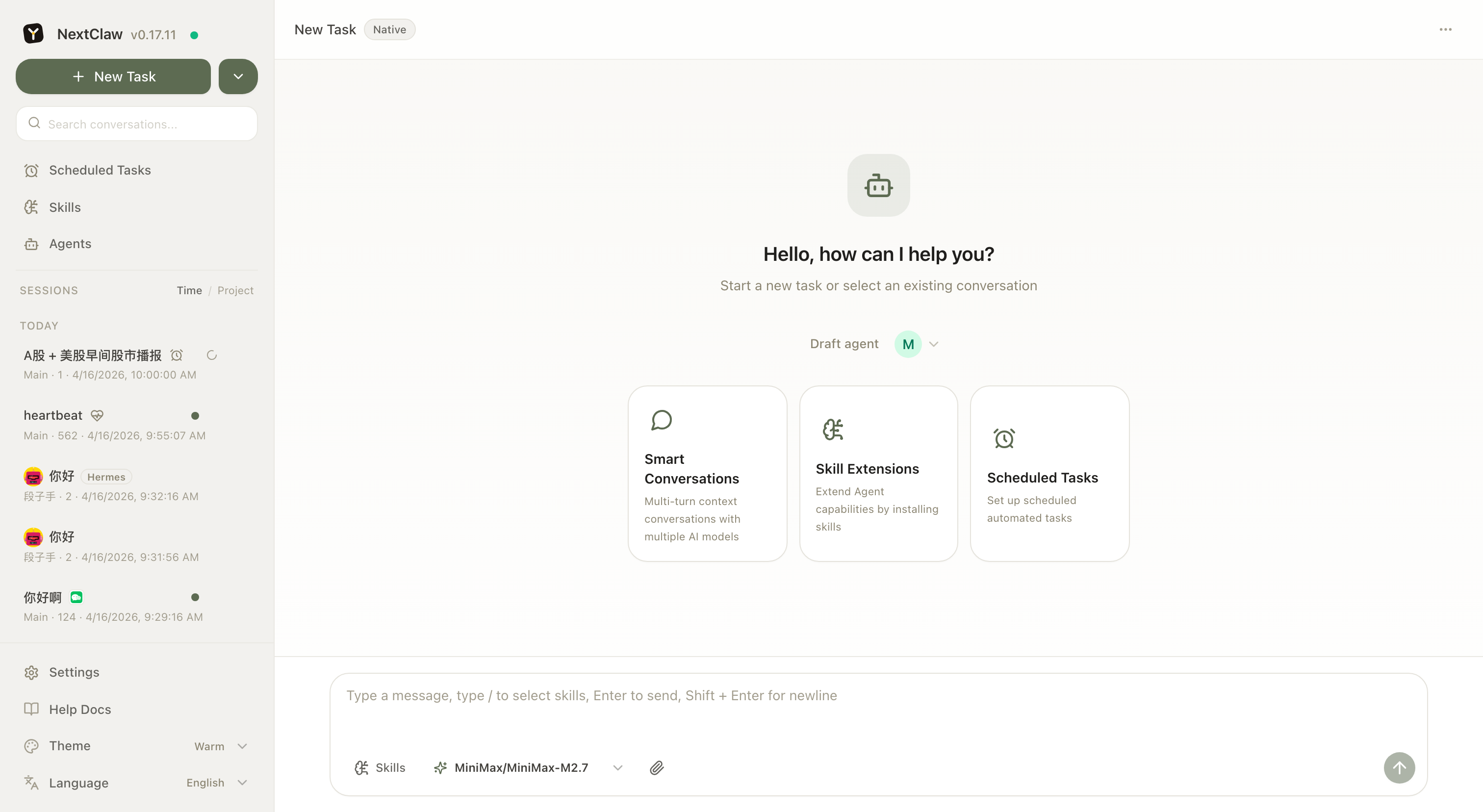
Sessions, project context, model selection, and tool execution in one surface.
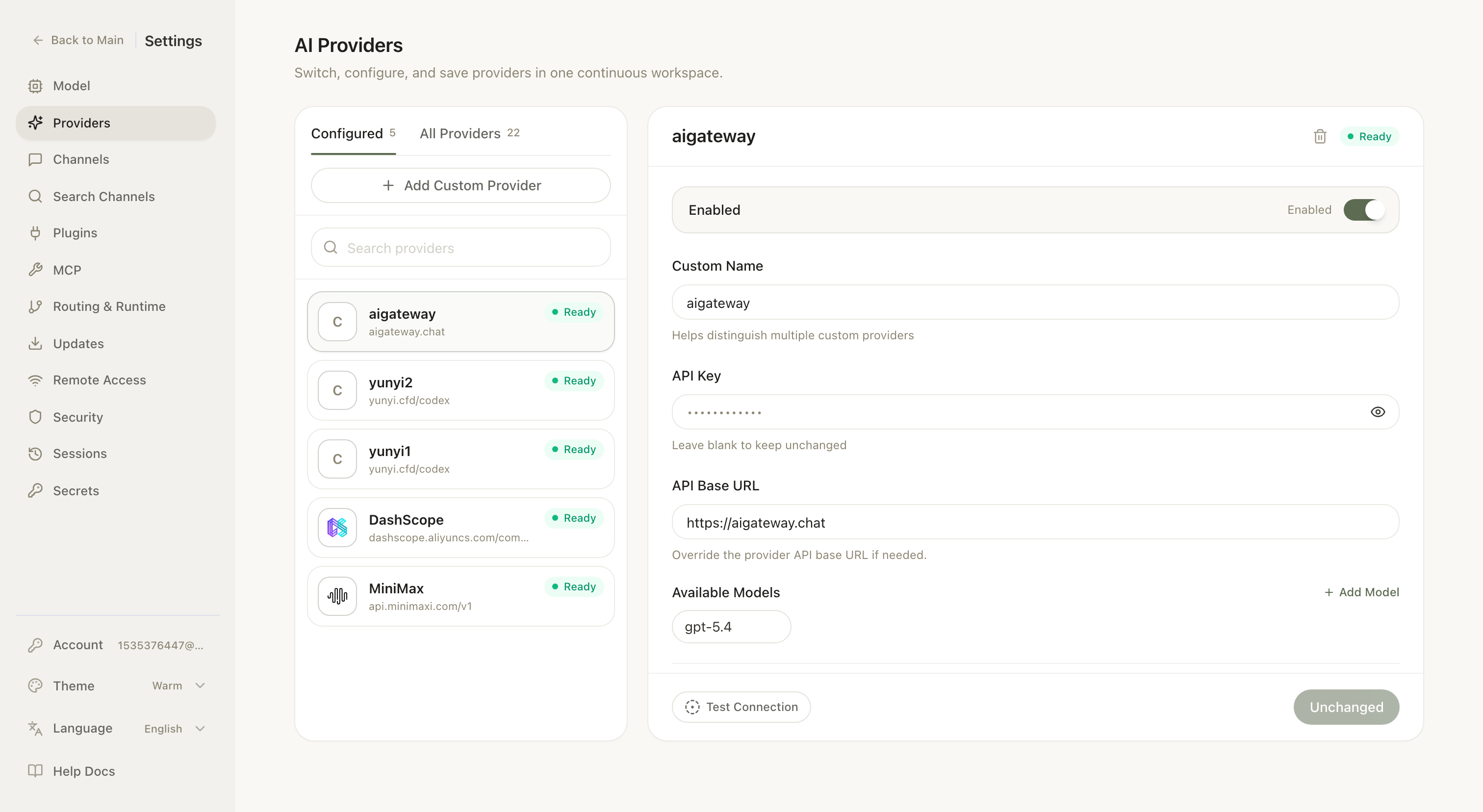
Switch models and providers without fragmenting the user experience.
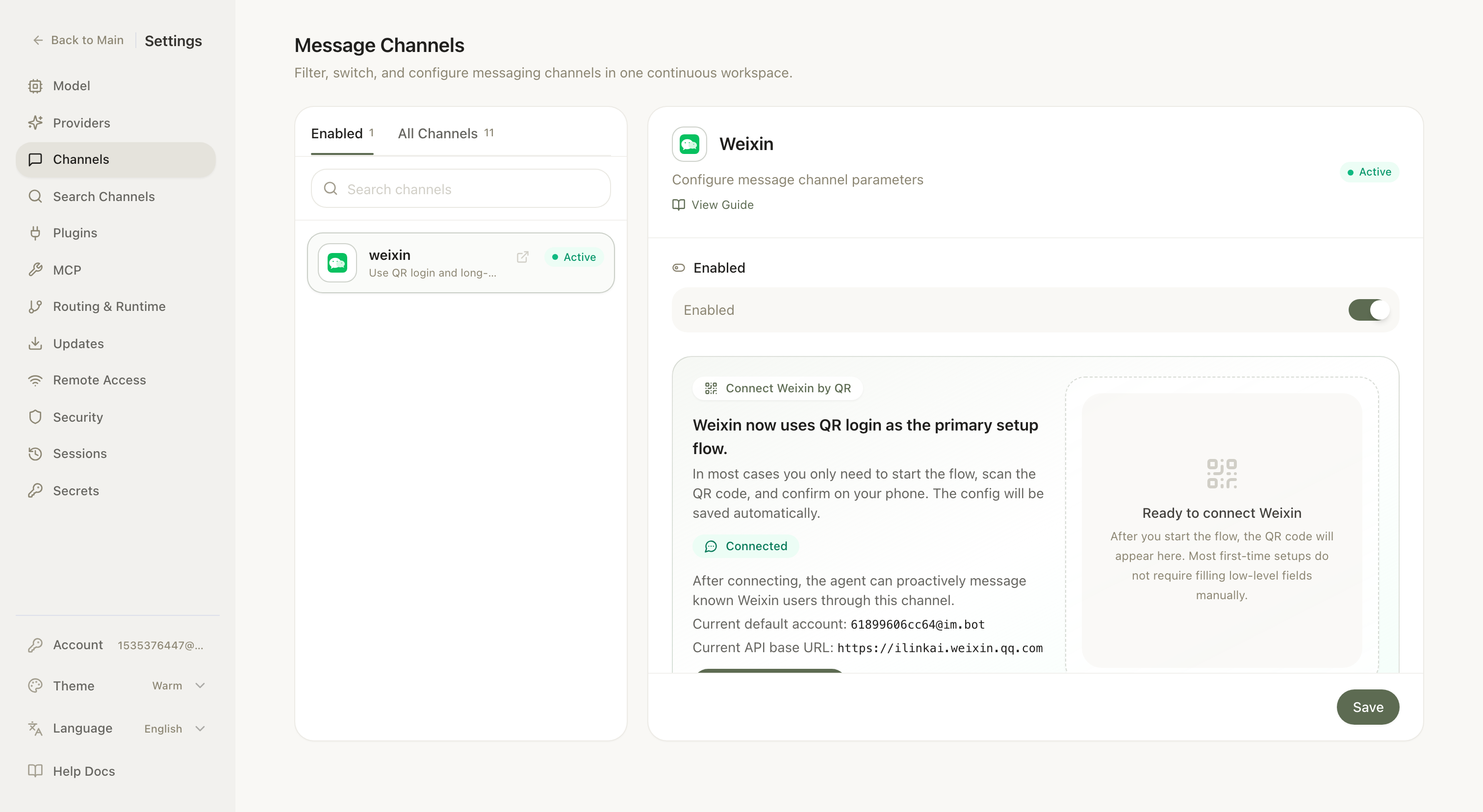
Operate multiple external channels through one consistent management model.
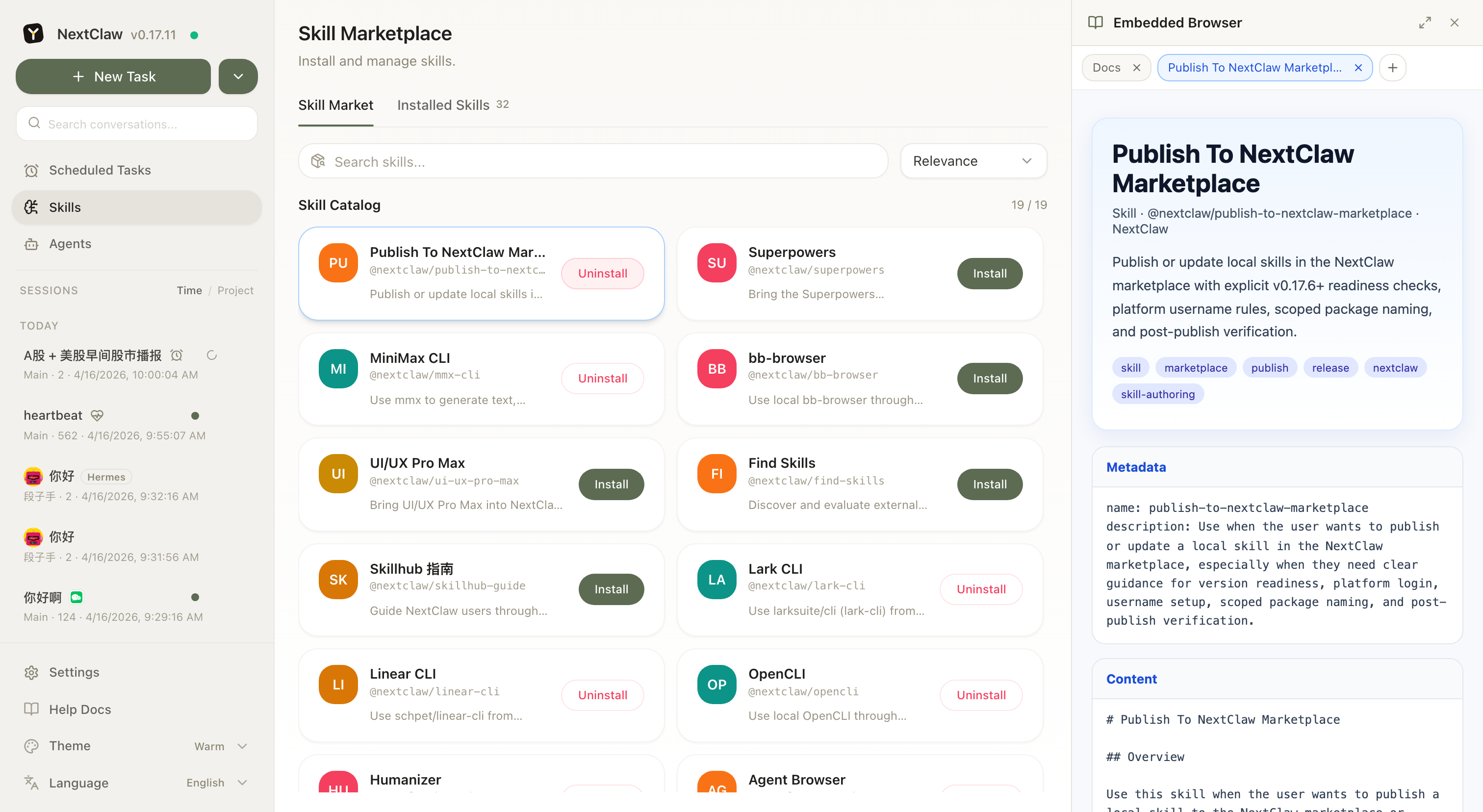
Skill discovery and documentation stay close to the product instead of living in separate tools.
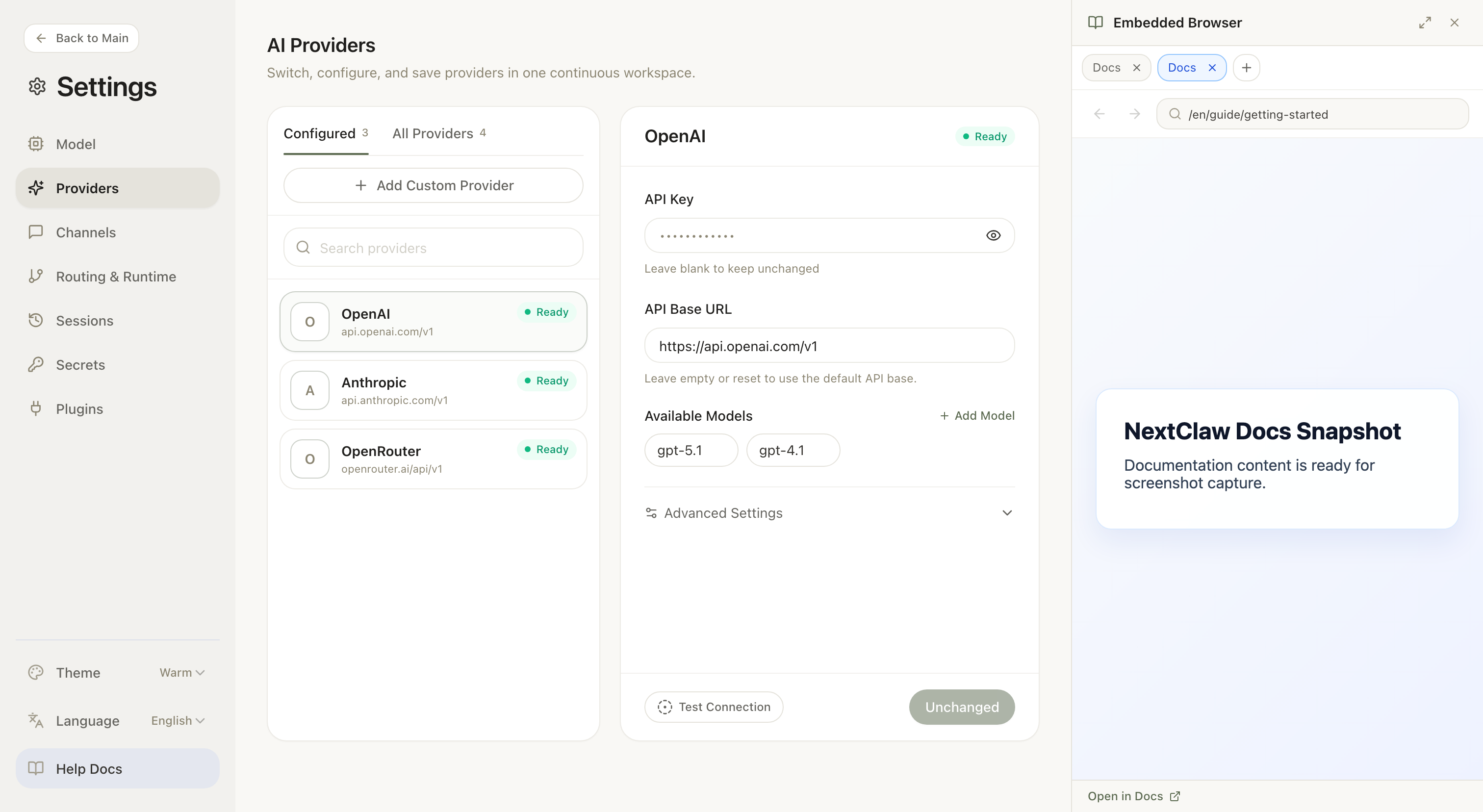
Product documentation and workflows remain within the same operating surface.
How To Read This
2026-10-09- We intentionally expose a small set of metrics with product meaning instead of publishing every internal engineering signal.
- Release rhythm is grouped by release days, because raw tag counts would mostly reflect monorepo package count rather than product cadence.
- Production source LOC is tracked as a maintainability trend, while test LOC is shown separately so coverage work is not misread as product complexity.